Necessary Surgery Tools | Necessary Tools of Orthopaedic Surgeons
Hira Khan
Content Writer
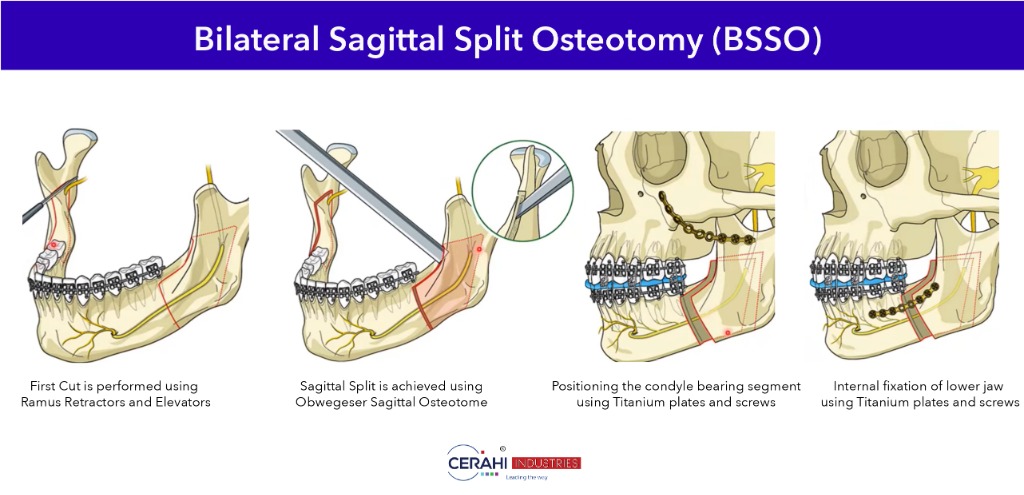
Accuracy, muscle power, and consistency are necessary in orthopaedic surgery, be it in treating trauma, joint replacement, treating the spine, or even in minimally invasive procedures. The correct orthopaedic tool is vital in regaining mobility, alleviation and improving patient outcomes. Not only is efficiency enhanced by high-quality tools, but direct impact on the quality of surgery, time spent on the operating table, patient safety, and recovery in the long term. To surgeons, hospital administrators, and even buyers of surgical instruments, these are the must-have tools that are critical in ensuring good performance and success in the operating room.
The Importance of Good-Quality Orthopaedic Equipment
Orthopaedic surgeries are usually characterized by hard bone, high force stress, and anatomies. The consequences of a poor quality instrument may be:
- Inaccurate cuts or fixation
- Prolonged surgery time
- Increased surgeon fatigue
- Increased possibility of complications
Orthopaedic instruments of high quality will offer:
- Stress-resistance in performance
- Better comfort of the surgeon’s ergonomics
- Improved accuracy to improve healthcare results
- Sustainability and economy in the long run
Basic Essentials of the Orthopaedic Equipment
Orthopaedic tools may be classified broadly into various important categories. They are all vital in the various subspecialties of surgery.
Tools of Bone Cutting and Shaping
The drill bits and reamers enable proper preparation of the bone with the help of implants. They also need reamers, especially when performing intramedullary nailing and joint replacement.
Applications include:
- Preparing femoral canals
- Shaping acetabular sockets
- Standardizing the beds of implants.
Fixation Tools and Implants Handling Instruments
Bone Plates and Bone screws
The internal fixation mainly depends on plates and screws. Although the types of implants differ, the tools employed in their installation are also vital.
These include:
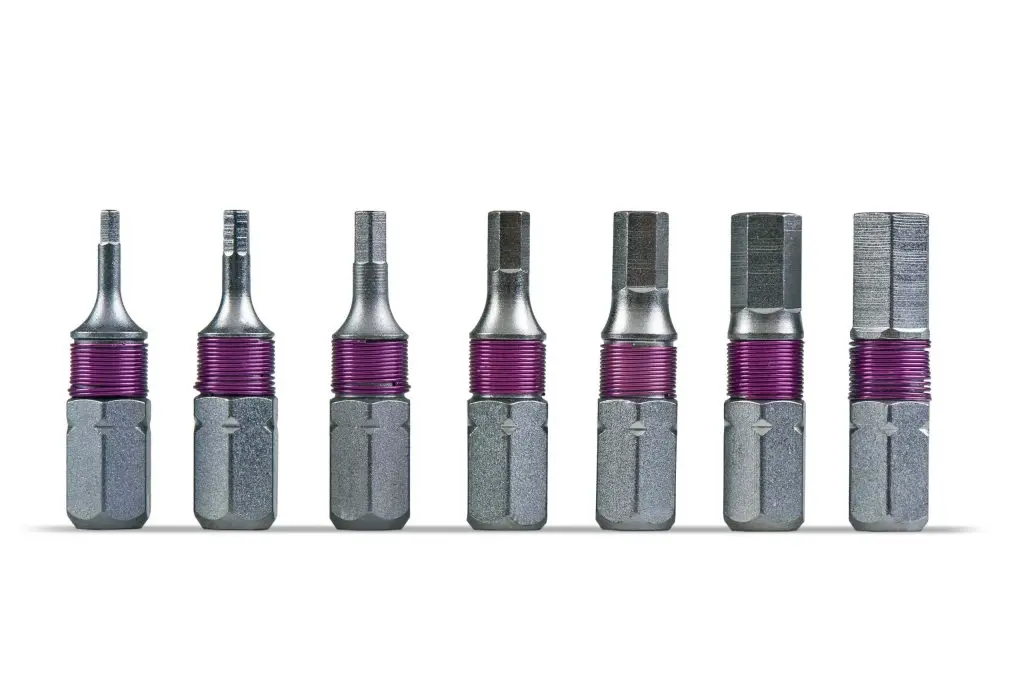
- Screwdrivers (powered and manual)
- Plate holding forceps
- Depth gauges
Accuracy in instruments of fixation provides an accurate placement and reliable healing.
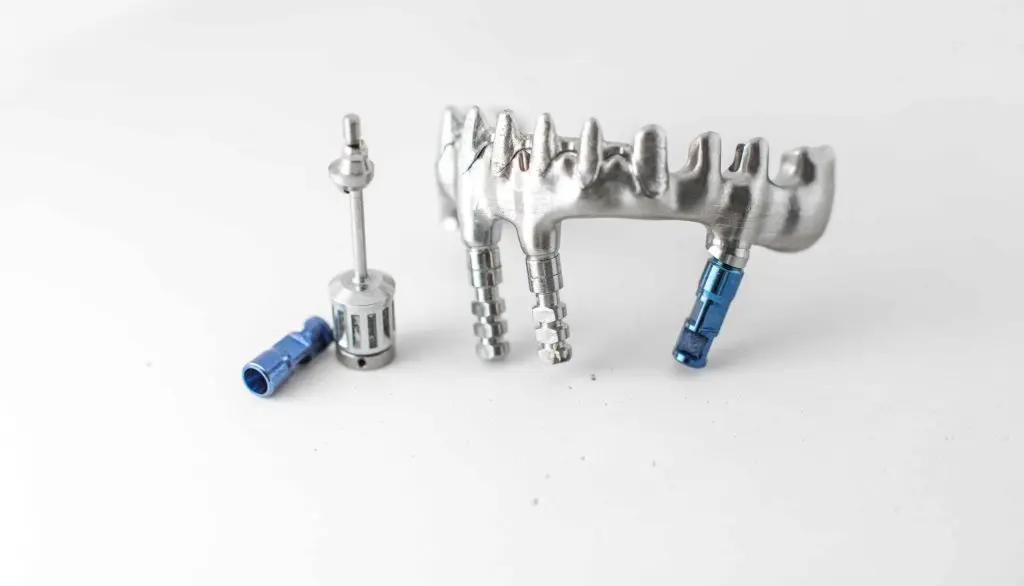
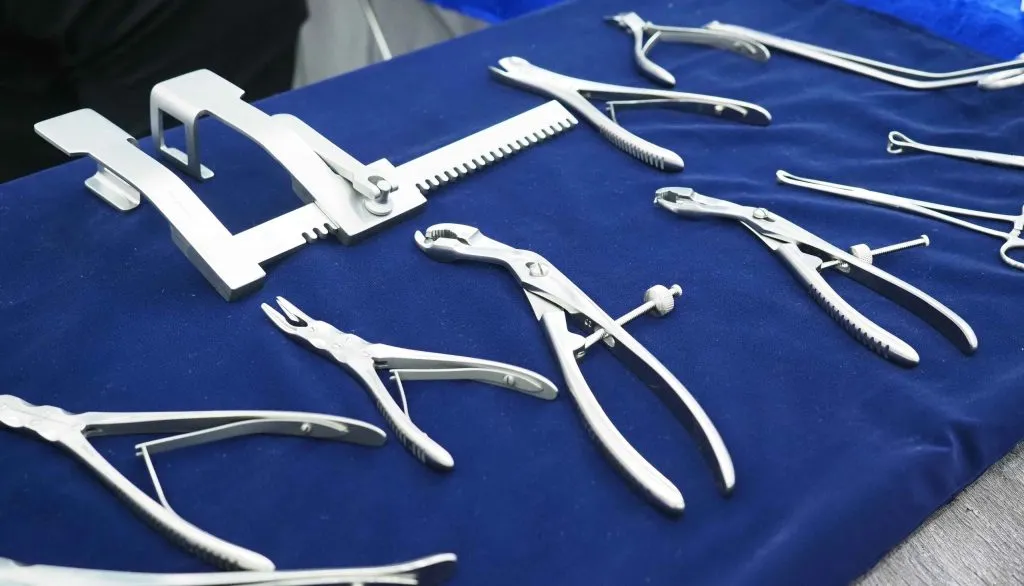
Bone Holding Forceps
The fixation and reduction process involves bone holding forceps that are used to hold bone fragments in place
Benefits:
- Better fracture positioning
- Less manual holding is required
- Accurate enhancement of surgery
Bone Clamps and Reduction Forceps
Reduction of fractures is a foundation of orthopaedic trauma surgery. The positioning of the bone fragments is done by using reduction forceps before fixation.
Common scenarios:
- Long bone fractures
- Pelvic trauma
- The multi-faceted multi-fractured injuries
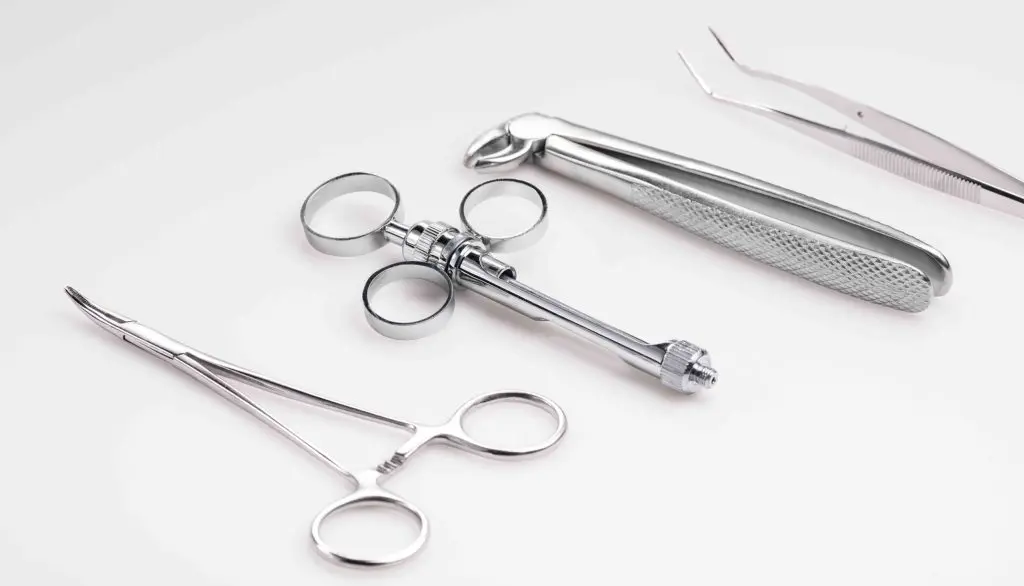
Distractors and Spreaders
They are applied to maintain a gap between bones or joints especially in spine and joint surgeries.
They help with:
- Improved visualization
- Implant placement
- Reduced tissue damage
Alignment Guides and Jigs
Joint replacement surgery requires the highest degree of precision. These alignment guides are applied to ensure that the bone cuts are accurate as well as the position of the implant.
Used in:
- Total knee replacement
- Hip arthroplasty
- Shoulder replacement
Aligning the implants properly decreases the wear and increases the success rates in the long term.
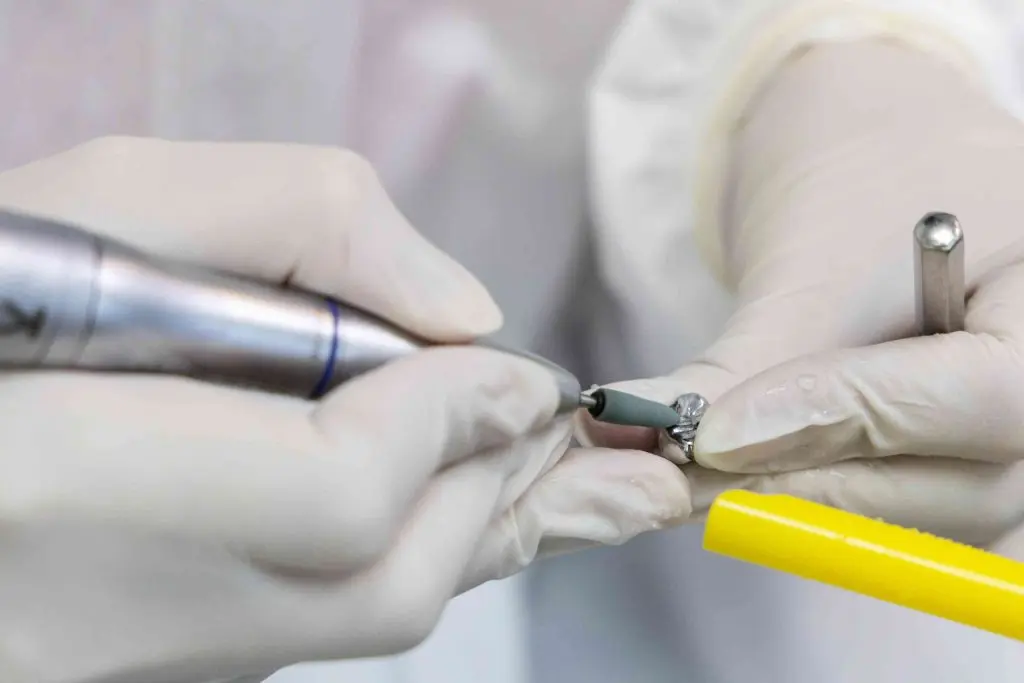
Trial Components
Trial implants enable the surgeon to test the fit, stability, and range of motion of the trial prosthesis prior to the final prosthesis.
Advantages:
- Reduced implant mismatch
- Better functional outcomes
- More confidence in the surgery stage
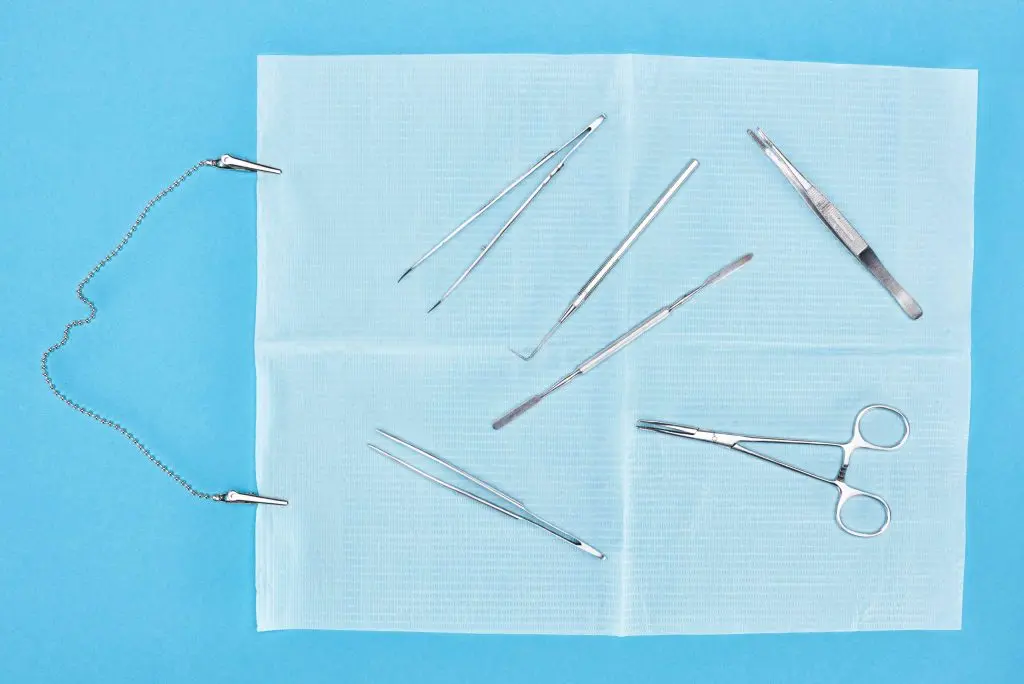
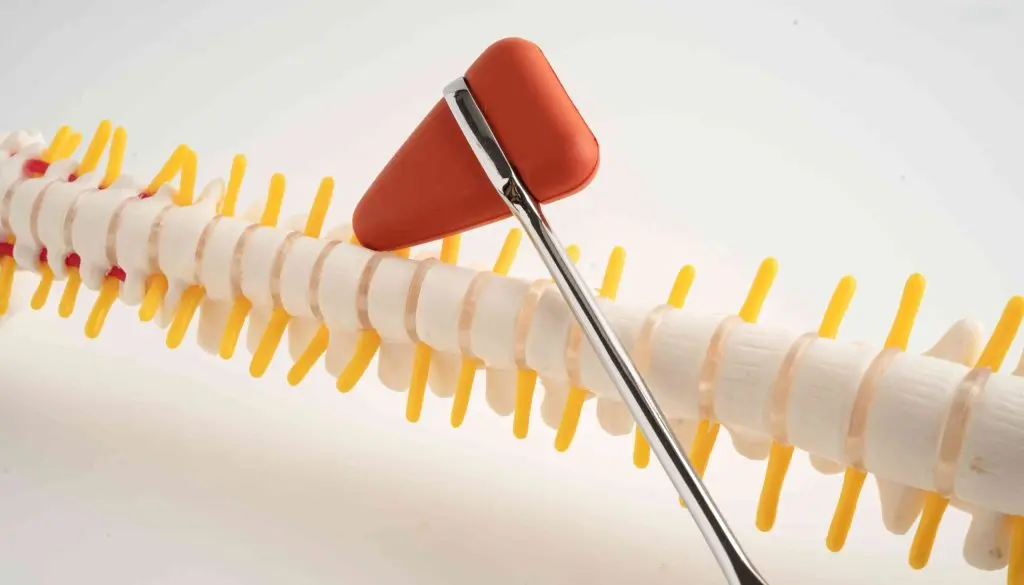
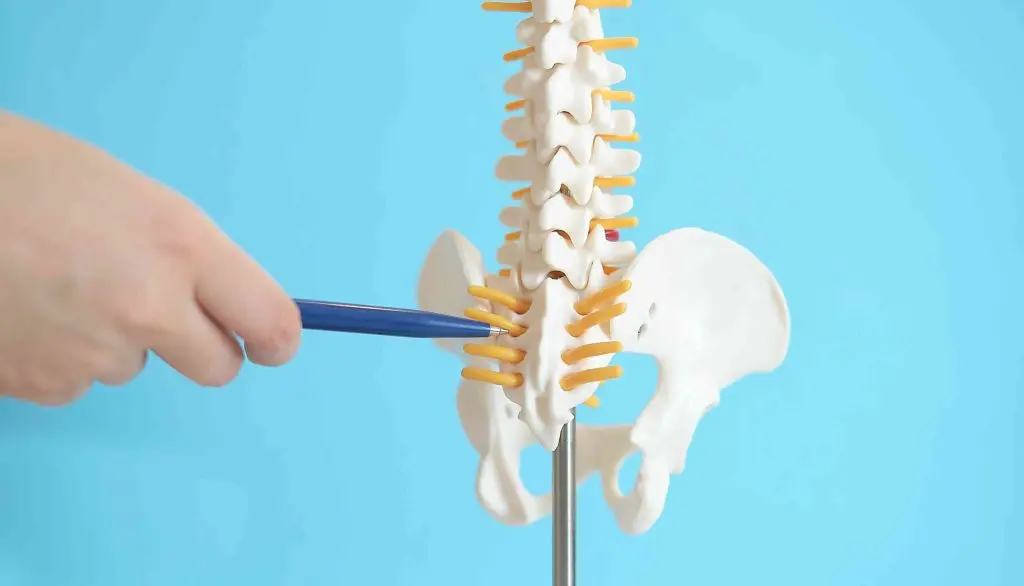
Pedicle Probes and Awls
Spine surgery involves frail but robust tools. Pedicle probes and awls are used to make the correct screw paths.
Critical benefits:
- Decreased risk of neural injury
- Better positioning of screws
Rod Benders and Inserters
They are applied in the process of contouring and inserting spinal rods in the process of stabilize patients.
Essential for:
- Correction of spinal deformity
- Trauma stabilization
- Degenerative spine surgery
Cannulated Instruments
Guidewire-assisted insertion of screws and implants guided using cannulated tools is the best tool to use in minimally invasive operations.
Benefits include:
- Smaller incisions
- Less soft tissue damage
- Faster patient recovery
Endoscopic and Arthroscopic equipment
Arthroscopy has revolutionized orthopaedic surgery through the possibility of diagnosing and treating in the least invasive manner.
Arthroscopic equipment in common use is:
- Graspers
- Probes
- Shavers
- Punches
They are vital in the areas of sports medicine, shoulder, and knee surgeries.
Soft Tissue Handling Instruments
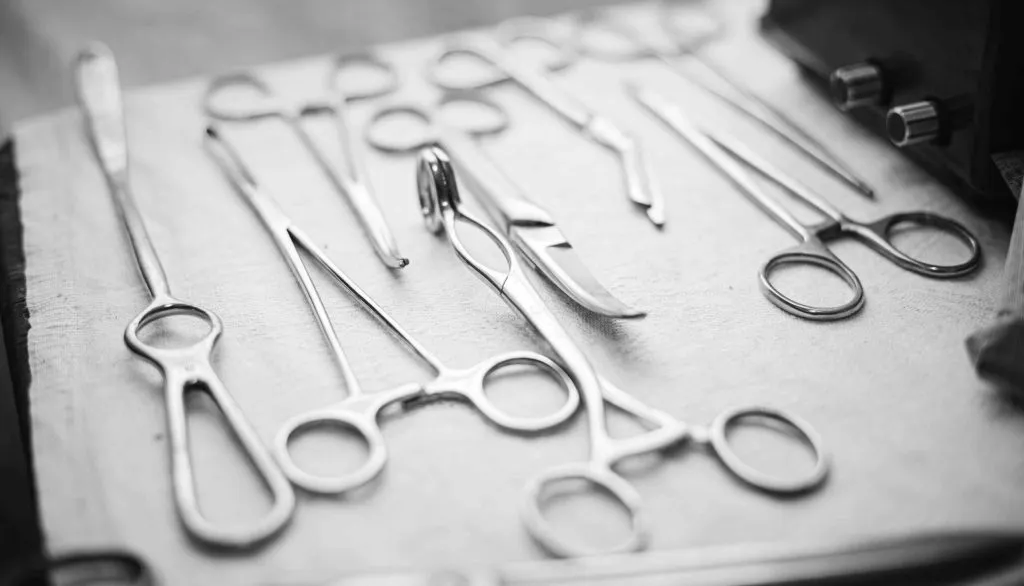
Retractors give a good exposure of the surgery and safeguard the adjacent tissues.
Orthopaedic retractors are the ones which are designed to:
- Handle deep incisions
- Support a considerable force
- Maintain stable exposure
Power Tool and Systems and Power Accessories
The contemporary orthopaedic surgery depends on the power tool systems in the form of:
- Saws
- Drills
- Reamers
High-quality systems offer:
- Interchangeable attachments
- Ergonomic handpieces
- Sterilization compatibility Credible
Depth Gauges and Calipers
Central measurement is essential during implantation and screwing. These tools ensure:
- Proper screw length
- Secure fixation
- Less threat of hardware malfunction
The selection of appropriate Orthopaedic Tools
The orthopaedic instruments chosen should have the following factors:
- Material Quality: It should be made of medical-grade stainless steel and titanium, which are strong and do not corrode.
- Ergonomic Design: The ergonomic tools are well-balanced and reduce the weariness of the surgeons, and increase precision.
- Compatibility: Make sure that the instruments match the current implant systems and sterilization procedures.
- Compliance and Standards: Select equipment that complies with the global standards of medical equipment in terms of safety and performance.
The Future of Surgery Orthopaedic Equipment
Instrumentation in orthopaedic surgery is being directed towards:
- Minimally invasive designs
- Intelligent instruments that have feedback mechanisms.
- Enhanced modular tool sets
- Better sterilization capability
The innovations are still improving the precision of surgery and patient outcomes
Conclusion
Orthopaedic surgery requires a strong, credible, and accurate set of equipment. From bone cutting and fixation to the surgery of spine stabilization and minimum invasion, all tools are important to the success of the surgery.
Quality and well-designed orthopaedic equipment not only enhances efficiency in surgery but also results in better patient safety and patient outcomes. The right instruments are a necessity and not optional for orthopaedic surgeons and healthcare facilities. Consistency in a surgical setting is gradually getting more complicated.
FAQS
What is an orthopaedic surgical instrument?
The orthopaedic surgical instrument involves scientifically produced tools to diagnose, treat, and surgically cure bone, joint, and musculoskeletal maladies.
Why is accuracy important in bone surgery?
Their bones are in the right place, fixation and little complications of such are required to be healed appropriately.
What power tools do orthopaedic surgeons use?
They do have drills, saws, and reamers, which are to be applied to bones and joints.
How do good tools improve surgical outcomes?
They decrease the mistakes of surgical operations, enhance implantation, waste less time during the surgery process, and promote rapid healing.
When should you replace your dental tools?
Dental tools need to be changed depending on wear, damage, or other sterilisations to minimise risks and promote efficiency.
More from Cerahi
Discover more insights and industry innovations.

The Reason Long-Term Supplier Alliances in Healthcare Are Important

A Complete Guide to Surgical Instrument Quality Control